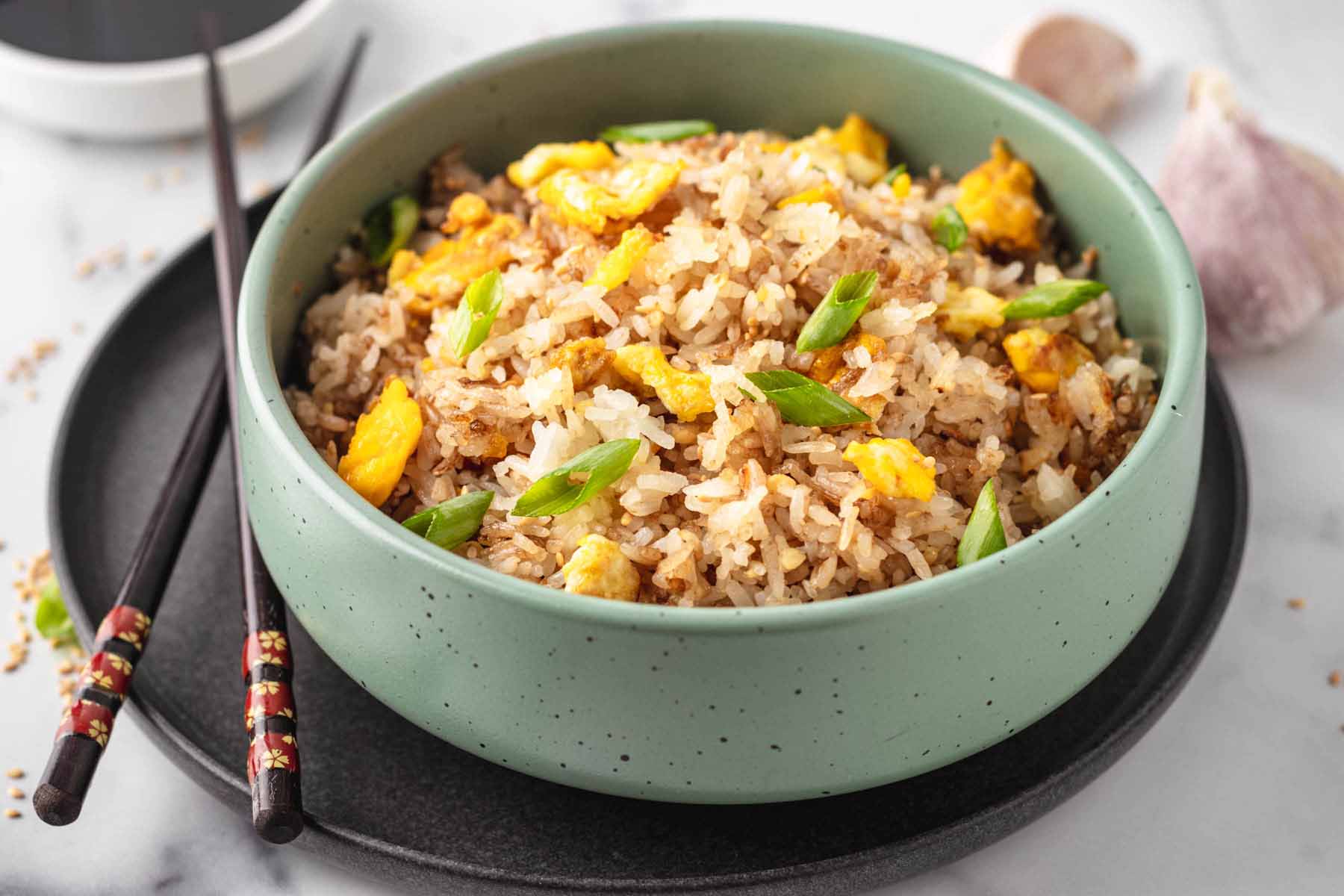
Quick & Easy Garlic Fried Rice: A Culinary Journey from Filipino Sinangag to Chinese Twist
There are few culinary delights as universally comforting and satisfying as a plate of perfectly cooked garlic fried rice. Simple in its essence, yet profound in its flavor, this humble dish has transcended cultural boundaries, finding a special place in kitchens and hearts worldwide. Whether you know it as the beloved Filipino Sinangag or a fragrant Chinese-style stir-fry, garlic fried rice offers an incredibly easy and delicious solution for any meal of the day.
At its core, garlic fried rice celebrates the potent aromatic power of garlic combined with day-old rice, transforming leftovers into a dish far greater than the sum of its parts. It's the kind of recipe that proves you don't need a complicated ingredient list to achieve extraordinary taste. But while the concept is simple, the execution and cultural interpretations offer fascinating distinctions, each delivering its own unique culinary experience.
The Allure of Garlic Fried Rice: More Than Just a Side
What makes garlic fried rice so irresistibly appealing? Perhaps it's the comforting aroma that fills the kitchen, or the crispy bits of golden garlic intertwined with fluffy grains of rice. It’s a dish that can stand proudly on its own as a light meal, or serve as the ultimate companion to a myriad of proteins and vegetables. It caters to both the hurried cook looking for a ten-minute marvel and the home chef eager to explore nuanced flavors.
Sinangag: The Filipino Soul Food
In the Philippines, garlic fried rice, known as Sinangag (or sometimes just "garlic rice"), is more than just a side dish; it's a breakfast staple, a national treasure. The beauty of Sinangag lies in its elegant simplicity. Traditionally, it features cold, day-old white rice tossed with an abundance of finely minced or crushed fried garlic, often seasoned with just salt and a touch of black pepper, all sautéed in oil until the rice is lightly toasted and fragrant. It's a dish that highlights the pure, aromatic essence of garlic, with each grain of rice infused with its pungent, savory goodness. Often served alongside fried eggs, cured meats like tocino or longganisa, or grilled fish, Sinangag is the quintessential starter to a Filipino day, beloved for its comforting simplicity and robust flavor profile.
The Chinese Twist: A Symphony of Flavors
While sharing the central theme of garlic and rice, a Chinese take on garlic fried rice introduces a more complex and layered flavor profile. This version moves beyond mere salt and pepper, incorporating a symphony of sauces and seasonings that build a richer umami experience. Key additions often include light soy sauce for savory depth, dark soy sauce for a beautiful caramel color and subtle sweetness, Shaoxing wine for a distinctive aromatic complexity, and a pinch of sugar to balance the savory notes. Scallions are typically folded in at the end, adding a fresh, slightly pungent counterpoint to the rich flavors. This approach creates a more "saucy" and deeply savory fried rice, offering a different but equally captivating expression of the dish's potential.
The Secret Weapon: Why Salt Reigns Supreme Over Soy Sauce
A common pitfall for many aspiring home cooks, especially when venturing into Asian cuisine, is the belief that if a dish tastes bland, more soy sauce is the ultimate solution. However, as experienced chefs will attest, this often leads to a one-dimensional, overly salty, and "blunt" flavor profile. This critical insight is particularly relevant when perfecting your garlic fried rice.
Beyond the Soy Sauce Trap
While soy sauce undeniably contributes a wonderful umami and salinity, it also carries its own distinct flavor. Adding too much can overwhelm other delicate notes, making everything taste simply of soy. The true secret to unlocking the full potential of your garlic fried rice – whether Filipino or Chinese style – lies in understanding the nuanced role of salt. A small amount of pure salt, added judiciously, doesn't just make the dish salty; it acts as a flavor enhancer, lifting and amplifying the natural tastes of the garlic, rice, and any other ingredients. Just as a pinch of salt makes sweet baked goods taste sweeter, it allows the individual components of your fried rice to shine without being masked by an excess of soy. For a deeper dive into this culinary revelation, explore our guide on Master Garlic Fried Rice: Why Salt Beats Soy Sauce for Flavor.
Unlocking Versatility: Customizing Your Garlic Fried Rice
One of the most appealing aspects of garlic fried rice is its incredible versatility. Far from being a rigid recipe, it serves as a fantastic canvas for culinary creativity, allowing you to adapt it to your preferences, dietary needs, or whatever ingredients you have on hand.
Adding Protein: From Breakfast Staple to Main Course
While delightful on its own, incorporating protein can transform your garlic fried rice into a hearty, complete meal. The options are virtually limitless. Consider adding:
- Eggs: Scrambled or fried, eggs are a classic addition, providing a fluffy texture and rich flavor.
- Chicken: Diced chicken breast or thigh, pre-cooked and lightly seared, works wonderfully.
- Pork: Thinly sliced pork belly or tenderloin adds a savory depth.
- Beef: Velveting techniques (marinating in cornstarch, soy sauce, and oil) can ensure tender strips of beef.
- Shrimp: Quick-cooking shrimp adds a delightful seafood element.
For best results, ensure any raw protein is pre-cooked and set aside before you start frying the rice, then folded back in at the end to avoid overcooking and maintain texture. Roughly 6-8 ounces of cooked protein or 10-12 ounces of raw protein per batch is a good guideline.
Veggies Galore: Freshness in Every Bite
Injecting a dose of vegetables not only boosts the nutritional value but also adds vibrant color and texture. Common additions include:
- Peas and Carrots: A classic fried rice duo, often frozen for convenience.
- Corn: Sweet and crunchy, it pairs beautifully with garlic.
- Bell Peppers: Sliced thin, they add a sweet and slightly bitter note.
- Broccoli or Asparagus: Cut into small florets or pieces, blanched briefly before adding.
- Mushrooms: Sliced and sautéed for an earthy umami boost.
Remember to consider the cooking time of your chosen vegetables; harder vegetables might need a quick pre-blanch or an earlier addition to the wok.
Beyond White Rice: Exploring Grain Blends
While traditional garlic fried rice often calls for white rice, don't shy away from experimenting with other grains or blends. Quinoa-rice blends or millet rice, for instance, can introduce a delightful nutty flavor and provide additional health benefits without compromising the texture of the fried rice. Even brown rice, with its chewier texture and earthy notes, can be used to create a more wholesome version, though it might require specific cooking guidance to achieve the desired fried rice consistency.
Mastering the Technique: Tips for Perfection
Achieving restaurant-quality garlic fried rice at home is entirely within reach with a few key techniques:
- Day-Old Rice is Your Best Friend: This is arguably the most crucial tip. Leftover, chilled rice has less moisture, preventing it from clumping and turning mushy in the hot wok. It allows the grains to separate and develop that desirable slight crispness.
- Garlic Abundance: Don't be shy with the garlic! A whole head, minced or finely sliced, is often recommended. Fry it until golden and fragrant, but be careful not to burn it, as burnt garlic turns bitter.
- High Heat is Key: Fried rice demands high heat. This ensures the rice fries quickly, developing a smoky "wok hei" flavor and preventing it from steaming.
- Don't Overcrowd the Pan: Cook in batches if necessary. Overfilling your wok or pan will lower the temperature, steam the rice instead of frying it, and prevent proper browning.
- Season in Layers: Add your seasonings (salt, soy sauce, Shaoxing wine) gradually, tasting as you go. This allows for precise control over the final flavor balance.
Conclusion
Whether you're craving the comforting simplicity of Filipino Sinangag or the rich, umami-laden complexity of a Chinese-style stir-fry, garlic fried rice stands as a testament to the power of a few humble ingredients transformed into something extraordinary. It’s quick, incredibly versatile, and deeply satisfying. By understanding the importance of proper seasoning, embracing the magic of day-old rice, and not shying away from a generous amount of garlic, you can master this beloved dish and make it a delicious, regular feature in your culinary repertoire. So grab your wok, gather your garlic, and prepare to embark on a flavorful journey that proves gourmet taste doesn't have to be complicated.
