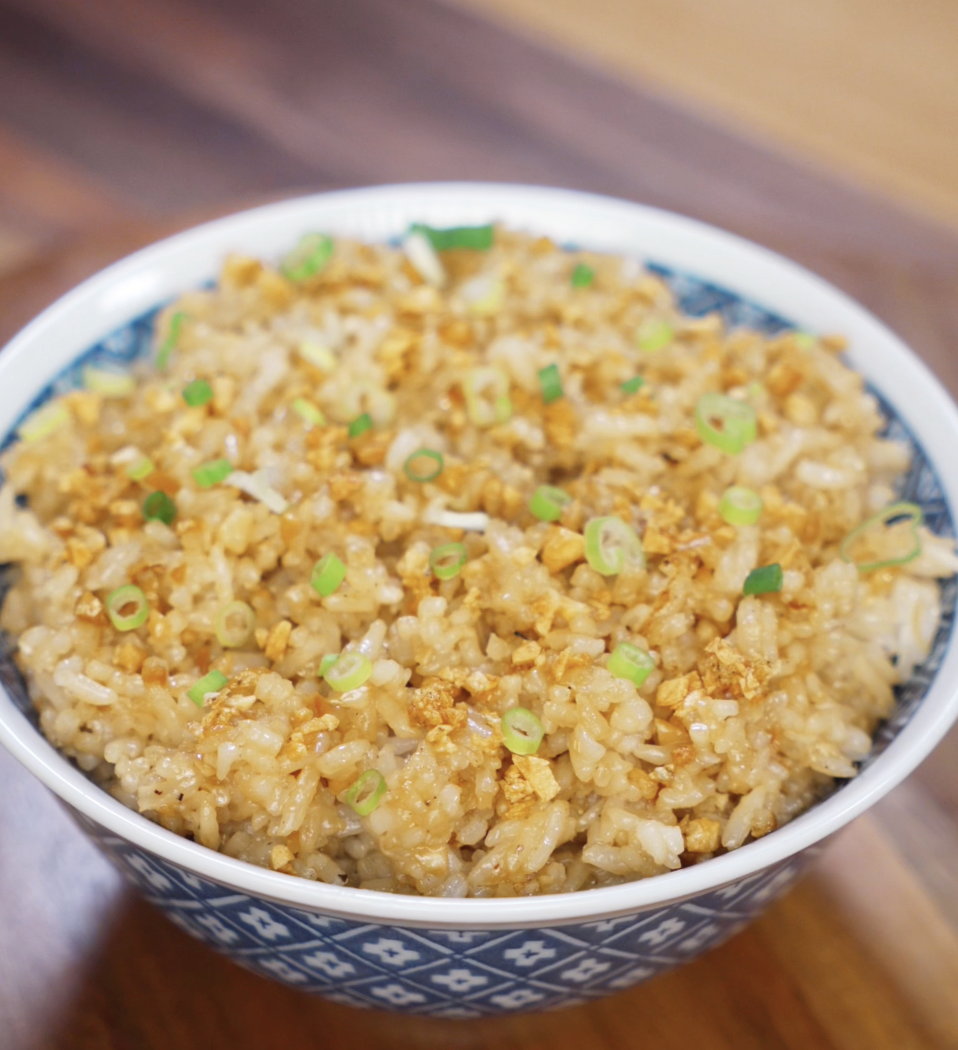
Mastering Garlic Fried Rice: Unlocking Flavor Beyond Soy Sauce
There's something undeniably captivating about a steaming plate of garlic fried rice. Whether it's the star of a simple breakfast, a comforting side dish, or the perfect accompaniment to a more elaborate meal, its aromatic allure is universal. With its crispy bits of garlic, fluffy rice, and savory depth, it promises a satisfying culinary experience. While incredibly simple to prepare, many home cooks often fall into a common trap when seasoning, leading to a bland or overly salty, one-dimensional dish. The secret to truly mastering this beloved staple? It might surprise you: it's all about understanding the nuanced power of salt, often prioritizing it over an instinctual reach for more soy sauce.
The Universal Allure of Garlic Fried Rice: A Global Comfort
Garlic fried rice transcends cultural boundaries, gracing tables from bustling Asian eateries to home kitchens worldwide. Its appeal lies in its straightforward elegance and versatility. Take, for instance, the Filipino Sinangag, a beloved breakfast staple. This version is celebrated for its purity: simple fried garlic, salt, and day-old rice, often served alongside fried eggs and cured meats. It’s an aromatic wake-up call, designed to be both hearty and incredibly satisfying.
On the other hand, a Chinese-style garlic fried rice often builds on this foundation with additional layers of flavor. While still featuring a generous amount of garlic, it might incorporate light and dark soy sauce for color and umami, a splash of Shaoxing wine for depth, a touch of sugar to balance, and fresh scallions for a vibrant finish. Both styles, despite their differences, share a common thread: the incredible power of garlic and the need for thoughtful seasoning. This dish is the epitome of comfort food – easy to make, deeply flavorful, and always a crowd-pleaser.
The Great Seasoning Debate: Why Salt is Your Secret Weapon
For years, many aspiring home cooks, ourselves included, believed that soy sauce was the ultimate solution for any bland-tasting Asian dish, especially fried rice. If something lacked flavor, the immediate response was to add another splash of that dark, salty elixir. However, as experience teaches, there comes a point where more soy sauce doesn't enhance; it merely blunts. You end up with a dish that tastes overwhelmingly of soy, rather than a harmonious blend of all its delicious components.
This is where the humble ingredient of salt enters the spotlight. It sounds deceptively simple, but salt acts differently on your palate than soy sauce does. While soy sauce provides saltiness, it also brings a complex profile of umami, sweetness, and often a slightly fermented flavor. When you continuously add soy sauce to compensate for blandness, you're not just adding salt; you're layering on these other flavors to a point where they can overpower the delicate nuances of your garlic and rice.
Think of it like baking: a pinch of salt in a sweet dessert doesn't make it salty; it amplifies the existing sweetness and complexity. Similarly, in savory cooking, salt has a unique ability to awaken and highlight the intrinsic flavors of ingredients. When you season your garlic fried rice with a strategic dash of plain salt, it coaxes out the rich garlic notes, the subtle sweetness of the rice, and the umami from other additions, rather than just masking them with a monolithic soy flavor. It allows each ingredient to shine, creating a more balanced and profound taste experience. This fundamental understanding is key to truly mastering your fried rice and moving beyond merely "salty" to genuinely "flavorful."
Crafting Your Perfect Garlic Fried Rice: Beyond the Basics
Achieving truly excellent garlic fried rice involves more than just tossing ingredients into a pan; it's about technique and understanding the role of each component. Here’s how to build a masterpiece:
- The Garlic is King: As the name suggests, garlic is central. Don't be shy – a whole head of garlic, minced or thinly sliced, is often appropriate for a generous serving. The key is to fry it gently until golden and aromatic, but not burnt. Burnt garlic turns bitter and can ruin the entire dish. Frying it first in a neutral oil allows its flavor to infuse the oil, which then coats every grain of rice.
- Day-Old Rice is Non-Negotiable: This is perhaps the most crucial tip for any fried rice. Freshly cooked rice is too moist and will lead to a sticky, clumpy, and soggy result. Cold, day-old rice (or even two-day-old) has dried out slightly, allowing the grains to separate beautifully and crisp up in the wok.
- Layering Flavors (Chinese Style): For a Chinese-inspired garlic fried rice, after the garlic is fragrant and the rice is added, incorporate your liquid seasonings. A light soy sauce provides saltiness and umami, while a touch of dark soy sauce adds a beautiful caramel color without significantly increasing saltiness. Shaoxing wine (or dry sherry) adds an irreplaceable layer of aromatic complexity, and a pinch of sugar balances all the savory notes. Finally, a sprinkle of fresh scallions stirred in at the end brightens the dish with a mild oniony zest.
- Simplicity of Sinangag: If you're leaning towards the Filipino Sinangag, the process is even simpler. After frying the garlic, add your day-old rice, then season primarily with salt and a touch of black pepper. A minimal dash of soy sauce might be included, but salt remains the primary seasoning agent to highlight the robust garlic and rice flavors.
Elevating Your Fried Rice: Proteins, Veggies, and Rice Varieties
While delicious on its own, garlic fried rice is incredibly versatile and can be transformed into a more complete meal with thoughtful additions:
- Adding Protein: If you want to include protein, think 6-8 ounces of cooked protein or 10-12 ounces raw. For raw proteins like chicken, pork, beef, or shrimp, it's best to pre-cook them. Velveting techniques (coating in cornstarch and egg white) are excellent for tenderizing and protecting the protein. Sear it quickly in the hot wok, set it aside, and then add it back in at the very end to prevent overcooking.
- Incorporating Vegetables: The possibilities are endless when it comes to vegetables. Diced carrots, peas, corn, bell peppers, or even leafy greens can be fantastic additions. Remember to consider their cooking times; harder vegetables like carrots might need a quick blanch or sauté before adding to the rice, while softer ones can go in later.
- Exploring Rice Blends: Don't feel limited to white rice. For those seeking extra health benefits or a nuttier flavor, rice blends like quinoa-rice or millet-rice can work beautifully. Even brown rice can be used, though it requires specific cooking guidance to ensure it's not too chewy for fried rice. These alternatives add a unique texture and nutritional boost without compromising the integrity of your delicious garlic fried rice.
Practical Tips for Garlic Fried Rice Mastery
To ensure your garlic fried rice turns out perfectly every time, keep these essential tips in mind:
- Use a Hot Wok or Large Pan: High heat is crucial for achieving that desirable slightly crispy texture and preventing the rice from steaming. Don't overcrowd the pan; cook in batches if necessary.
- Spread the Rice Evenly: Once the rice is in the pan, spread it out and allow it to sit undisturbed for a minute or two to develop some crispy edges before stirring.
- Don't Burn the Garlic: As mentioned, this is critical. Keep the heat moderate when frying the garlic initially and remove it from the pan if it starts to brown too quickly, adding it back with the rice later.
- Taste and Adjust: Seasoning is a journey, not a destination. Taste your fried rice as you go, and adjust the salt and other seasonings incrementally. It's much easier to add more than to fix an overly salty dish.
- Prep Everything Ahead: Fried rice cooks quickly. Have all your ingredients—chopped garlic, cold rice, pre-cooked protein, and sauces—measured and ready to go before you even turn on the heat. This is often called "mise en place."
Conclusion
Mastering garlic fried rice is a testament to the power of simplicity and precise seasoning. While soy sauce undeniably plays an important role in many Asian dishes, understanding when to reach for pure salt to amplify and balance flavors is the true mark of an experienced cook. By embracing quality ingredients, respecting technique, and making salt your trusted ally, you can transform this humble dish into an extraordinary culinary experience. So, next time you crave that comforting, aromatic bowl, remember the secret: a little salt goes a long way in unlocking the full, vibrant potential of your garlic fried rice.
