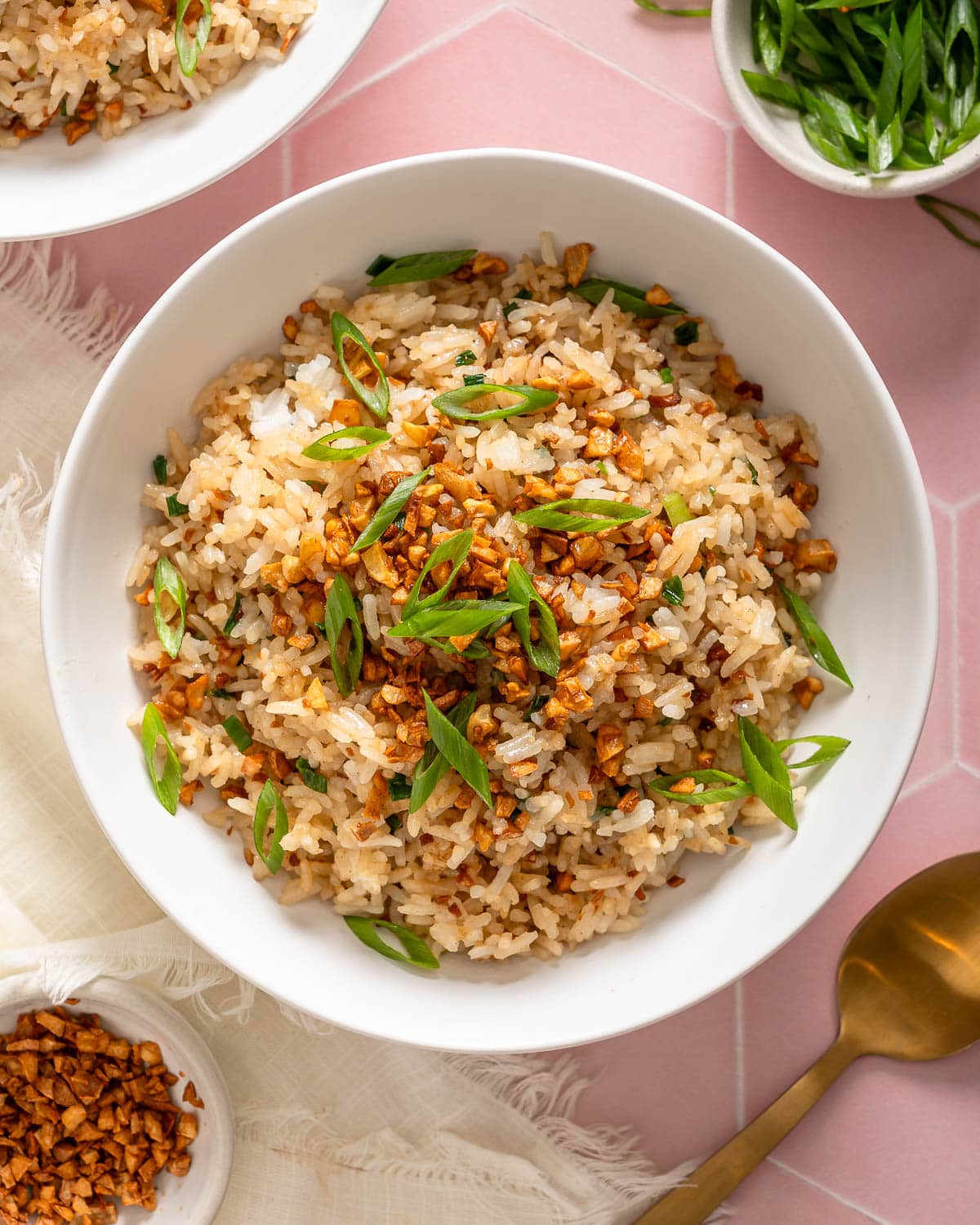
Minute Garlic Fried Rice: Your Next Go-To Breakfast or Versatile Side
In the realm of quick and comforting meals, few dishes hit the mark quite like a perfectly executed plate of garlic fried rice. Imagine waking up to the aromatic sizzle of golden garlic mingling with fluffy rice, promising a burst of savory flavor that’s both deeply satisfying and incredibly easy to achieve. This isn't just a simple side dish; it's a culinary chameleon, ready to elevate your breakfast, complement a weeknight dinner, or serve as a standalone treat when time is of the essence.
Forget bland, uninspired rice. This isn't about complexity; it's about harnessing the power of a single, humble ingredient – garlic – and a few pantry staples to create something truly special. Whether you’re a seasoned home cook or just starting your culinary journey, this guide will unlock the secrets to making exceptional garlic fried rice, turning everyday meals into memorable experiences.
The Undeniable Allure of Garlicky Goodness
What makes garlic fried rice so universally beloved? It’s its ability to bridge the gap between simplicity and sophistication. When you crave something more substantial and flavorful than plain steamed rice, yet don't have the time or inclination for a full-blown "smorgasbord" fried rice with an array of ingredients, garlic fried rice steps into the spotlight. It's the ideal compromise, delivering robust flavor without the fuss.
The magic lies in the garlic itself. A generous amount, often an entire head, is transformed through a quick fry, releasing its pungent, sweet, and nutty notes. This golden-brown garlic infuses every grain of rice, creating an irresistible aroma and a depth of flavor that is both comforting and invigorating. It’s a dish that celebrates simplicity, proving that sometimes, less truly is more, especially when that 'less' involves abundant garlic!
A Culinary Crossroads: Filipino Sinangag vs. Chinese-Inspired Garlic Fried Rice
While the concept of frying rice with garlic is globally cherished, two prominent styles often stand out: the rustic Filipino Sinangag and a more nuanced Chinese-inspired version. Both are delicious, but they offer distinct flavor profiles and ingredient combinations.
Filipino Sinangag: Simplicity and Aroma
The Filipino garlic fried rice, known as Sinangag, is a testament to the beauty of minimalist cooking. Traditionally, it's a breakfast staple, often served alongside cured meats or fried eggs. Its core components are brilliantly straightforward:
- Cold Day-Old Rice: Essential for preventing mushiness and achieving distinct grains.
- Plenty of Garlic: Fried until golden and aromatic, often thinly sliced or minced.
- Salt and Oil: The primary seasonings, letting the garlic shine.
- Optional Touches: Sometimes a sprinkle of black pepper, a splash of soy sauce, or chopped green onions are added for an extra layer of flavor.
Sinangag is all about that pure, unadulterated garlic aroma and a slightly toasty texture. It's designed to be simple, letting other components of a meal take center stage while providing a delightful, garlicky foundation.
Chinese-Inspired Garlic Fried Rice: A Symphony of Savory Notes
The Chinese approach to garlic fried rice, while equally garlic-centric, often incorporates a broader palette of seasonings, creating a more complex and umami-rich experience. This version frequently includes:
- Light Soy Sauce: For primary salinity and savory depth.
- Dark Soy Sauce: Primarily for color and a touch of molasses-like sweetness.
- Shaoxing Wine: A crucial ingredient for adding aromatic depth and tenderizing properties.
- A Hint of Sugar: To balance the saltiness and enhance overall flavor.
- Scallions: Added at the end for fresh oniony brightness and color.
This Chinese-inspired rendition builds on the garlic foundation with layers of savory, sweet, and aromatic notes, making it incredibly satisfying as a standalone dish or a versatile side. For a deeper dive into the nuances of these styles and to decide which one perfectly suits your palate, explore our article on Quick & Easy Garlic Fried Rice: Filipino Sinangag or Chinese Twist.
The Unsung Hero: Why Salt is Your Garlic Fried Rice's Best Friend (Beyond Soy Sauce)
Here’s a common pitfall many home cooks, especially those new to Asian cuisine, encounter: when their garlic fried rice tastes bland, their immediate instinct is to add more soy sauce. While soy sauce is indispensable, there's a point where it ceases to enhance flavor and instead merely makes the dish uniformly salty and "soy-soaked," muting other delicious notes.
The true secret weapon, often overlooked, is salt. Think of it like baking: a pinch of salt enhances the sweetness in desserts. Similarly, in savory dishes like fried rice, a direct application of salt allows all the distinct flavors – the robust garlic, the subtle sweetness, the umami from other ingredients – to truly pop. It brings out the inherent deliciousness of each component without making everything taste singularly of soy.
Experienced chefs understand that salt provides a pure seasoning base that soy sauce, with its complex fermented flavor profile, cannot entirely replicate on its own. By initially salting your rice to taste and then using soy sauce for its complementary umami and color, you achieve a far more balanced and vibrant dish. This simple shift in seasoning philosophy can transform your fried rice from good to truly exceptional. To master this fundamental principle and elevate all your stir-fries, be sure to read Master Garlic Fried Rice: Why Salt Beats Soy Sauce for Flavor.
Unlock Endless Possibilities: Customizing Your Garlic Fried Rice
One of the greatest strengths of garlic fried rice is its incredible adaptability. It's a blank canvas eagerly awaiting your creative touch. Here’s how you can make it uniquely yours:
Power Up with Protein
While delicious on its own, adding protein transforms garlic fried rice into a complete meal.
- Pre-cooked Proteins: Incorporate 6-8 ounces of cooked chicken, shrimp, pork, or beef towards the end of the cooking process, just enough to heat through.
- Raw Proteins: If using 10-12 ounces of raw protein, it's crucial to pre-cook it first. For tender results, consider velveting techniques (for chicken, pork, beef, or shrimp) before searing and setting aside. Add it back to the wok just before the final seasoning.
- Eggs: Scrambled eggs, cooked and then broken into smaller pieces, are a classic and quick protein addition.
Beyond White: Exploring Grains and Blends
Traditional fried rice often calls for white rice, but don't limit yourself!
- Brown Rice: Offers a nutty flavor and added fiber. Note that brown rice may require slight adjustments in cooking time or a bit more oil.
- Quinoa or Millet Blends: These healthy grains can be fantastic substitutes, bringing their unique textures and nutritional benefits. They often impart a delightful nutty undertone without compromising the classic fried rice texture.
- Cauliflower Rice: For a low-carb alternative, finely riced cauliflower can be stir-fried with garlic for a surprisingly satisfying twist.
Veggie Boosts for Flavor and Nutrition
The sky's the limit when it comes to vegetables! Add color, texture, and nutrients to your garlic fried rice.
- Quick-Cooking Veggies: Peas, corn, diced carrots, finely chopped bell peppers, or thinly sliced cabbage can be added directly to the wok after the garlic, ensuring they cook through but retain a slight crunch.
- Harder Vegetables: Broccoli florets, green beans, or snap peas might benefit from a quick blanch or stir-fry separately before being combined with the rice.
- Leafy Greens: Spinach or bok choy can be wilted in at the very end.
Remember to consider the cooking time of each vegetable and add them accordingly to avoid overcooking or undercooking. A good rule of thumb is to add harder vegetables earlier and tender ones later.
Essential Tips for Perfect Minute Garlic Fried Rice
Achieving truly great garlic fried rice isn't complicated, but a few key practices can make all the difference:
- Use Day-Old Cold Rice: This is perhaps the most crucial tip. Cold, leftover rice has dried out slightly, preventing it from clumping and turning mushy in the hot wok. Freshly cooked rice has too much moisture.
- Don't Skimp on Garlic: The title isn't 'hint of garlic' fried rice! A whole head, minced or finely sliced, is often recommended for maximum flavor.
- High Heat is Your Friend: A smoking-hot wok or large skillet is essential for achieving that characteristic "wok hei" (breath of the wok) and ensuring the rice fries rather than steams.
- Don't Overcrowd the Pan: Cook in batches if necessary. Overcrowding lowers the pan's temperature and steams the rice, making it soft and sticky.
- Season in Layers: Add salt early to the rice itself, then incorporate soy sauces and other liquid seasonings. Taste and adjust as you go.
- Oil Matters: Use a neutral oil with a high smoke point, like vegetable, canola, or grapeseed oil. A touch of sesame oil added at the very end can enhance aroma but isn't ideal for high-heat cooking.
Conclusion: Your New Favorite Fast Food, Made Better at Home
Whether you're seeking a simple yet satisfying breakfast, a quick lunch, or a versatile side dish to accompany any meal, garlic fried rice delivers every time. Its profound garlicky aroma, delightful texture, and incredible adaptability make it a culinary staple worth mastering. With just a handful of ingredients and a few fundamental techniques, you can transform humble rice into an extraordinary dish that’s both comforting and exciting. So grab that head of garlic, heat your wok, and prepare to discover your new favorite minute meal that’s far better than anything you’d find in a drive-thru!
